When an old, worn out roof is removed completely and a new roofing system takes its place, instead of just patching or repairing the damaged parts here and there, this process is what people generally refer to as re roofing in Auckland. In Auckland, homes are facing rain, humidity, salt air and sudden weather shifts constantly, and because of this, roofs get old much faster compared to many other regions. Once the leaks start becoming frequent, tiles keep cracking again and again, or the roof has already crossed its expected lifespan, then a full re roof turns out to be the most practical solution for long term.
Why Roofs in Auckland Wear Out Faster
The climate of Auckland plays a big role in how fast a roof gets deteriorated. Throughout the year, the city gets high rainfall, along with humidity and, in many suburbs, salt exposure from the coast too. These conditions, over time, weaken the roofing materials slowly, corrode the metal fixings and cause moss or lichen to grow, which then traps moisture against the surface. Many older homes that were built decades back used materials which were never really made to handle the weather intensity of today, and that is the reason so many properties end up needing a complete roof replacement rather than small fixes only.
Signs a Roof Needs Replacing, Not Repairing
It is not the case that every roofing problem needs a full replacement. But still, there are certain signs which usually tell that patch repairs are not going to work anymore:
- Leaks appearing in multiple different areas of the roof
- The roofline showing visible sagging or dipping
- Rusting spread widely on the metal roofing sheets
- Tiles that are cracked, curling or missing across big sections
- Repairs that keep happening again within short time gaps
- Ceilings or walls showing water stains spreading
When many of these signs come together at once, mostly it means the roofing structure has already reached the end of its useful life.
How Long Does a Roof Typically Last Before Needing Replacement?
Homeowners ask this question quite often, and it is one of the common ones. The lifespan of a roof depends a lot on which material has been used. Metal roofing, with proper maintenance, usually lasts somewhere between 30 to 50 years, while concrete or clay tiles can go on for 40 to 60 years even. Older roofs made of asbestos or bitumen, which are common in the mid century homes of Auckland, often reach their limit much earlier, and replacement becomes needed more because of safety and performance reasons rather than just age alone.
What Happens During a Full Roof Replacement?
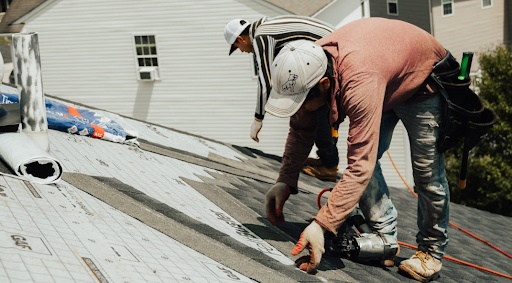
Generally, a re roofing project follows a sequence that is structured. First step is the old roofing material getting stripped away fully, so that the structure underneath gets exposed. After that, the roof frame along with the timber battens gets inspected for rot, weakness or any damage, because these need to be sound before the new material goes on. Whatever sections are damaged, those get repaired or replaced. Following this, a new underlay or membrane is fitted for better waterproofing, and then comes the installation of whichever roofing material has been chosen, be it metal, tiles or something else. Along with this, flashings, guttering and ventilation parts are usually updated too, at the same time, so that the whole roofing system ends up working properly together.
Is Re Roofing Better Than Repeated Repairs?
For roofs which are already showing damage widely, doing repairs again and again often becomes only a temporary fix rather than an actual solution. Patching just one section does not solve the issues present in the rest of roof, more so if the material itself has started degrading. As time passes, the cost of repairs can add up quite a lot without the core problem getting solved at all. A full replacement, on the other hand, treats the roof as one single system, and this improves the waterproofing, structural strength and overall performance for many years that follow.
Does Roof Replacement Affect Home Value and Insurance?
How a property gets perceived by buyers and insurers can be influenced a lot by an updated roof. Properties with roofs that are older or deteriorating may end up facing higher insurance premiums, or even difficulty in getting coverage at all, because insurers usually see aging roofing systems as a bigger risk for storm damage and leaks. On the contrary, a roof that has been newly installed is often looked at as something that adds value during property sales, since it lowers the chances of maintenance costs coming up soon for whoever buys the property next.
What Materials Are Commonly Used for Re Roofing in Auckland?
Because of its durability and resistance against Auckland’s wet climate, metal roofing still remains one of the choices that is most popular. Clay and concrete tiles too are used widely, mainly for the classic look and long life they offer. Some properties, especially the ones built many decades ago, might still have older materials like asbestos cement sheeting, and this usually needs removal that is specialised, due to health regulations in place.
Final Thoughts
Re roofing in Auckland becomes something necessary once a roof starts showing damage that is consistent and widespread, damage which repairs alone cannot manage anymore. Since the weather conditions of this region are quite demanding, roofs naturally wear down as time passes, and if the signs are recognised early, further structural or water damage can be prevented. Getting a proper understanding of the replacement process, the materials available and the benefits in long term helps homeowners take decisions that are well informed, so that the home stays safe and weatherproof for years that come ahead.
A roof in Auckland may need full re-roofing when repairs are no longer enough to protect the home. Auckland’s changing weather, heavy rain, strong winds, and moisture can gradually weaken roofing materials and cause leaks, corrosion, or structural damage. If a roof is old, repeatedly leaking, or showing widespread damage, replacing the entire roof can be a more reliable and cost-effective solution. Homeowners should also consider re-roofing when roofing materials have reached the end of their expected lifespan. A professional roof inspection can help determine whether minor repairs are sufficient or whether a complete re-roofing project is the better long-term option.