
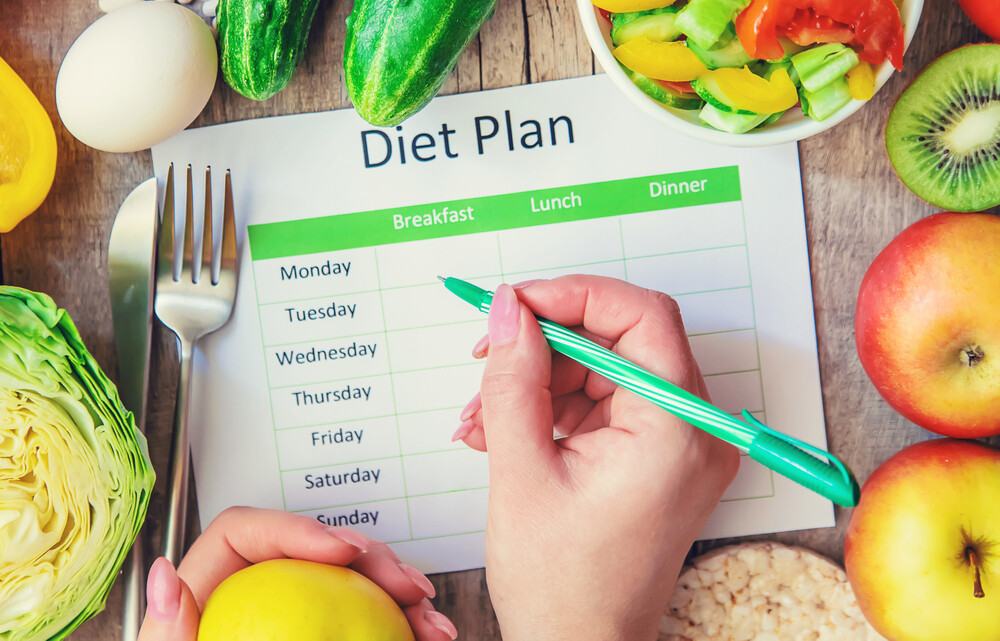
Introduction
Nutrition planning is more than just choosing what to eat. It’s a science‑based process that helps you optimize your health, support your lifestyle goals, and prevent disease. Whether you want to lose weight, build muscle, improve energy levels, or simply eat cleaner, a personalized nutrition plan is essential.
This comprehensive Nutrition Planning Guide will walk you through the key concepts, actionable strategies, and expert tips you need to build a successful nutritional plan that aligns with your goals.
What Is Nutrition Planning?
Nutrition planning is the deliberate process of designing your meals and daily food intake based on your individual health needs, activity levels, metabolism, and goals. A solid nutrition plan:
- Provides the right balance of macronutrients such as protein, carbohydrates, and fats
- Includes adequate micronutrients, including vitamins like vitamin D and mineral such as iron
- Supports physical and mental performance
- Helps manage body composition
According to the Academy of Nutrition and Dietetics, personalized nutrition planning helps individuals achieve lasting lifestyle improvements and reduce risks of chronic disease when combined with physical activity.
Why Nutrition Planning Matters
Many people struggle with meal decisions due to convenience, cravings, or fad diets. However, intentional planning offers measurable benefits:
1. Improved Energy and Mood
Eating balanced meals that stabilize blood glucose—such as complex carbohydrates like quinoa and lean protein like chicken breast—enhances sustained energy and reduces fatigue.
2. Weight Management
Proper portion control and strategic macronutrient distribution support fat loss or muscle gain, depending on your goal.
3. Balanced Nutrient Intake
A well‑designed meal plan ensures you meet daily requirements for nutrients such as calcium, vitamin B12, omega‑3 fatty acids, and dietary fiber.
4. Better Long‑Term Health
Eating nutrient‑rich foods helps reduce the risk of type 2 diabetes, cardiovascular disease, and other diet‑related conditions.
Key Principles of Nutrition Planning
Know Your Caloric Needs
Your total daily energy expenditure (TDEE) defines how many calories you burn in a day. Knowing your TDEE helps you decide whether you should:
- Eat at a caloric deficit to lose weight
- Eat at a caloric surplus to gain muscle
- Eat at maintenance calories for weight stability
TDEE depends on basal metabolic rate (BMR), physical activity level, and body composition.
Balance Macronutrients
A balanced intake of protein, carbohydrates, and healthy fats is fundamental to good nutrition:
- Protein: Supports muscle repair and immune function. Common sources include eggs, tofu, salmon, and Greek yogurt.
- Carbohydrates: Provide energy, especially for high‑intensity workouts. Prioritize whole grains, fruits, and vegetables over refined carbs.
- Fats: Essential for hormone production and cell structure. Include sources like avocado, olive oil, and nuts.
Crafting Your Meal Plan
Step 1: Define Your Goals
Ask yourself:
- Do I want to lose weight?
- Do I need to build muscle?
- Am I trying to improve performance?
- Do I want to manage a health condition like hypertension or insulin resistance?
Your goal drives your macros and calorie targets.
Step 2: Track What You Eat
Use tools like MyFitnessPal, Cronometer, or a food diary to log meals. Tracking helps you understand your eating patterns and nutrient intake.
Step 3: Choose Whole, Nutrient‑Dense Foods
Strive for real, minimally processed foods. Include:
- Vegetables and leafy greens (e.g., spinach, broccoli)
- Lean proteins (e.g., turkey, tilapia)
- Complex carbs (e.g., brown rice, sweet potato)
- Healthy fats (e.g., chia seeds, almonds)
Understanding Macronutrients in Depth
Protein
Protein is made of amino acids—the building blocks of tissue repair and muscle growth. The Recommended Dietary Allowance (RDA) suggests 0.8 grams per kilogram of body weight, but active individuals often benefit from higher intake (1.2–2.2 g/kg).
Good protein sources include:
- Lean meats
- Legumes
- Dairy products
- Protein supplements like whey protein or pea protein
Carbohydrates
Carbohydrates fuel your brain and muscles. Not all carbs are equal:
- Simple carbs (e.g., sugar‑sweetened beverages) spike blood glucose
- Complex carbs (e.g., oats, barley) digest slowly, fueling sustained energy
Focus on high‑fiber carbs to support digestion and stable energy levels.
Fats
Dietary fats support:
- Hormone regulation
- Nutrient absorption
- Brain function
Prioritize unsaturated fats like omega‑3 fatty acids from flaxseed and fatty fish.
Micronutrients You Can’t Ignore
Micronutrients are vitamins and minerals your body needs in small amounts but with big impact:
- Vitamin D supports bone health and immune function
- Calcium is critical for bone strength
- Iron helps transport oxygen in the blood
- B vitamins assist energy metabolism
Deficiencies in these micronutrients can lead to fatigue, poor immunity, and other health issues.
Timing Your Nutrition
Nutrient timing can influence performance and recovery:
- Eat carbohydrates and protein within 1–2 hours after workouts to boost muscle repair.
- Include protein with every meal to support satiety and muscle maintenance.
- Avoid heavy meals late at night if digestion disrupts your sleep.
Hydration: A Critical but Often Ignored Component
Water supports every function in your body—from digestion to temperature regulation. General guidelines suggest:
- 2–3 liters per day for most adults
- More if you exercise intensely or live in a hot climate
Adding electrolytes from foods like bananas and coconut water can be beneficial after prolonged sweating.
Common Nutrition Plans and When to Use Them
Different approaches work for different people. Here’s a quick overview:
Mediterranean Diet
- Emphasizes plant‑based foods, olive oil, lean proteins, and whole grains
- Linked to heart health and lower inflammation
Plant‑Based Diet
- Focuses on vegetables, legumes, nuts, seeds, and whole grains
- Can improve cholesterol and support weight loss
Low‑Carb Diets (e.g., Ketogenic Diet)
- Reduce carbohydrate intake to encourage fat burning
- May support quick weight loss, but long‑term sustainability varies by individual
Adjusting Your Plan Over Time
Your nutritional needs will change based on:
- Age
- Activity level
- Stress and sleep patterns
- Health conditions
Review your plan every 4–6 weeks and adjust based on progress and feedback.
Mistakes to Avoid
- Ignoring the quality of calories
- Skipping meals consistently
- Overfocusing on single nutrients
- Following unsustainable fad diets
- Not consulting a nutrition professional when needed
Working With a Nutrition Professional
Registered Dietitians (RDs) and Certified Nutrition Specialists (CNS) can tailor a plan to your needs and help interpret lab tests such as:
- Lipid panel
- Hemoglobin A1c
- Vitamin D levels
Professional guidance is especially important if you have medical conditions like diabetes, thyroid disorder, or food allergies.
Conclusion: Your Path to Smart Nutrition Starts Now
Nutrition planning empowers you with control over your health and well‑being. By focusing on whole foods, balanced macronutrients, adequate micronutrients, hydration, and consistent tracking, you can create a personalized schedule that fits your lifestyle and goals.
Remember, successful nutrition isn’t about perfection—it’s about consistency. Start small, stay committed, and refine your plan as you learn what works best for your body.

7 thoughts on “The Ultimate Nutrition Planning Guide: How to Build a Healthy, Sustainable Diet”