
In today’s fast‑paced world, learning how to cultivate productive lifestyle habits is essential for achieving your personal, academic, and professional goals. Whether you want to improve your focus, boost your energy, or create long‑lasting routines, implementing the right habits can make all the difference.
In this blog post, we will explore what productive lifestyle habits are, why they matter, and practical steps you can take to integrate them into your daily life. You will also find actionable tips that are grounded in proven strategies recommended by behavior experts and successful achievers.
What Are Productive Lifestyle Habits?
Productive lifestyle habits are consistent actions and routines that help you maximize efficiency, maintain balance, and achieve long‑term personal growth. Unlike one‑off efforts or temporary motivation, habits are sustained patterns of behavior that shape your day‑to‑day life.
According to Atomic Habits, small changes consistently practiced over time lead to remarkable improvements. This perspective highlights why everyday habits—like waking up earlier, planning your day, or maintaining physical health—can profoundly influence your productivity and well‑being.
Why Productive Habits Matter
Before diving into specific habits, it’s important to understand why habits matter:
- Habits Reduce Cognitive Load
When actions become habitual, they require less conscious effort. This frees up mental energy for high‑impact tasks such as problem‑solving, creativity, and decision making. - Habits Support Consistency
Success rarely happens overnight. Productivity is built through repetition and consistency. Effective habits allow you to progress steadily toward your goals. - Habits Improve Resilience
Positive routines help you weather stress and stay anchored in challenging times. When routines are solidified, you are less likely to abandon them under pressure. - Habits Shape Identity
Over time, behavior reflects who you believe you are. As The Power of Habit explains, habits contribute to identity formation. Living productively becomes part of who you are.
Core Productive Lifestyle Habits You Can Adopt Today
Here are substantive habits that can transform your life. Each habit is supported by practical implementation strategies.
1. Start Your Day with a Morning Routine
A morning routine sets the tone for the entire day. Productive individuals often begin with intentional practices that prepare them mentally and physically.
Morning Routine Components:
- Wake up at a consistent time each day
- Hydrate and nourish your body with a healthy breakfast
- Spend a few minutes on journaling or gratitude
- Engage in light exercise or stretching
Many productivity experts emphasize that starting strong increases momentum throughout the day. Consistency here builds discipline and reinforces other positive habits.
2. Plan Your Day with Purpose
Planning is an essential productivity habit. Without a roadmap, you are more likely to drift, procrastinate, or focus on low‑impact tasks.
Effective Planning Strategies:
- Use a daily planner or digital calendar
- Prioritize your tasks using the “Eat That Frog” method (tackle your hardest task first)
- Break large tasks into smaller, actionable steps
- Review your plan at the end of the day
Planning your day increases clarity and reduces decision fatigue, ensuring that you use your time intentionally rather than reactively.
3. Practice Time Blocking
Time blocking is a scheduling method where you allocate specific blocks of time to distinct tasks or categories of work.
Benefits of Time Blocking:
- Reduces interruptions and context switching
- Helps you allocate time for deep focus
- Encourages balance between work, rest, and personal activities
For example, you might reserve 8:00‑10:00 AM for focused work, 10:30‑11:00 AM for email, midday for lunch, and afternoon for meetings or creative projects.
4. Develop a Habit of Reading (and Lifelong Learning)
Reading improves cognitive function, expands knowledge, and stimulates creativity. High achievers often attribute part of their success to consistent learning habits.
Reading Habit Tips:
- Set a daily reading goal (e.g., 20 pages per day)
- Integrate reading into your routine (e.g., before bed or during commutes)
- Choose a mix of fiction and non‑fiction to nurture both imagination and practical skills
Learning new skills keeps you adaptable, informed, and open to fresh perspectives.
5. Prioritize Physical Health and Exercise
Physical health and productivity are deeply interconnected. Exercise boosts energy, improves mood, and enhances cognitive performance.
How to Build a Fitness Habit:
- Aim for at least 30 minutes of moderate exercise daily
- Integrate activities you enjoy (walking, cycling, yoga, weight training)
- Track your progress to stay motivated
A healthy body supports a productive mind, and the energy you gain from regular exercise translates into improved performance in all areas of life.
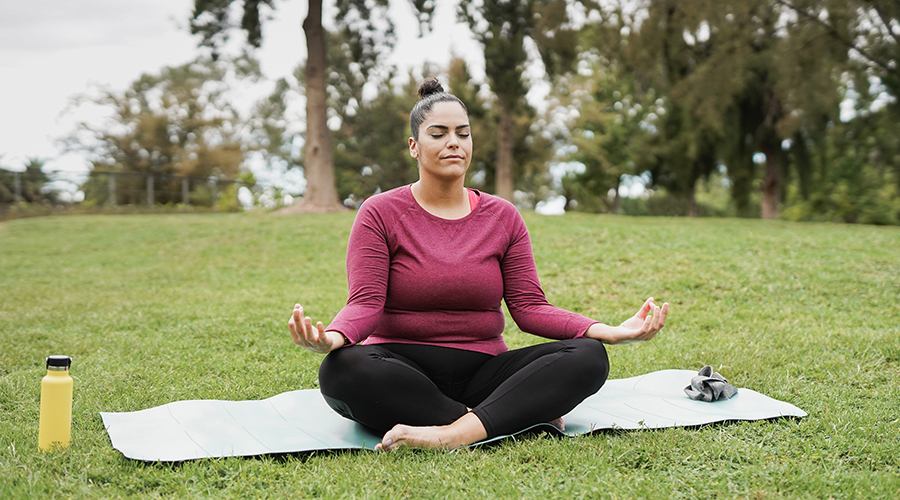
6. Practice Mindfulness and Relaxation
Mindfulness and relaxation are critical for productivity. They counter stress and help you stay mentally sharp.
Mindfulness Techniques:
- Daily meditation sessions (even 5 minutes can help)
- Deep breathing exercises
- Controlled breaks throughout the day
These practices reduce anxiety and help you stay present, improving the quality of your attention and work.
7. Set Boundaries and Digital Detox Habits
Digital distraction is a major productivity killer. To work efficiently, you need boundaries that protect your time and focus.
Digital Detox Approaches:
- Schedule screen‑free times each day
- Turn off non‑essential notifications
- Use productivity apps that limit social media usage
Boundaries allow you to focus deeply and minimize interruptions.
8. Create an Evening Routine for Rest and Recovery
Just as a strong morning routine prepares you for the day, an intentional evening routine helps you rest and recharge.
Evening Routine Components:
- Reflect on the day’s accomplishments
- Plan for tomorrow
- Practice light stretching or reading
- Avoid screens at least 60 minutes before sleep
Quality sleep improves memory, mood, and overall performance.
Tips to Maintain Productive Habits Long Term
Building habits is one step; maintaining them is another. Here’s how to stay consistent:
Track Your Progress
Use habit trackers or journals to record daily adherence to your routines. Tracking creates accountability and reveals patterns you can improve.
Start Small
According to Kaizen, tiny changes implemented consistently can lead to significant results. Habit formation is more sustainable when you begin small and scale up gradually.
Celebrate Milestones
Reward yourself when you reach habit milestones. Acknowledging small wins reinforces your motivation and builds positive associations.
Adjust When Necessary
Life changes and demands flexibility. If a habit no longer fits your schedule or goals, revise it rather than abandoning it altogether.
The Science of Habit Formation
Understanding how habits form can help you design routines that stick.
Psychologists describe habit formation as a loop of cue, routine, and reward:
- The cue triggers the behavior
- The routine is the behavior itself
- The reward reinforces the behavior
This cycle explains why certain habits become automatic over time. By consciously crafting each element of the loop, you can accelerate habit formation.
Conclusion: The Power of Productive Lifestyle Habits
Transforming your life starts with the habits you practice daily. From morning routines and time blocking to physical health and mindful living, productive habits are the building blocks of success.
Productivity is not about perfection. It is about consistent effort, intentional choices, and incremental growth. By adopting the strategies shared in this guide, you can boost your efficiency, improve your well‑being, and move steadily toward your goals.
Remember, your habits shape your future. Start implementing these productive lifestyle habits today, and watch how small changes lead to meaningful impact.