
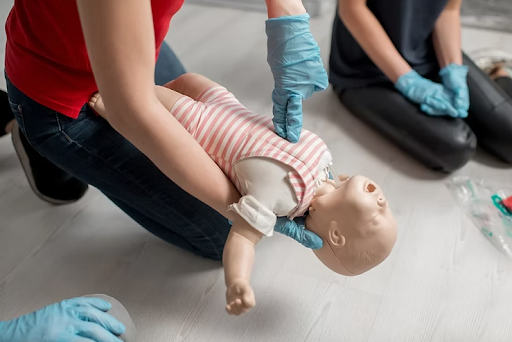
Childcare providers sometimes encounter medical emergencies requiring immediate response without proper training or certification, putting children at serious risk. Parents occasionally worry about whether their children receive adequate care from staff unprepared for serious situations that demand quick thinking. Contemporary childcare facilities now recognise that childcare first aid course training prevents tragic outcomes through systematic emergency preparation and professional development. Professional competency ensures caregivers respond effectively during critical moments when children need immediate assistance. Training programmes develop confidence through hands-on practice and realistic scenarios, preparing staff thoroughly. Emergency preparedness becomes foundational throughout childcare operations, protecting vulnerable populations. Child safety depends upon trained personnel throughout facilities maintaining vigilant standards.
Recognising Medical Emergencies Quickly
Symptoms sometimes develop suddenly, creating urgent situations requiring immediate recognition and appropriate response. Early intervention occasionally determines outcomes substantially affecting child survival and recovery from serious medical events. Training sessions teach participants to identify serious conditions systematically through careful observation and pattern recognition. Breathing difficulties become immediately recognisable through specific warning signs taught throughout courses using real-world examples. Choking incidents require quick assessment and intervention techniques learned through repetitive practice, ensuring muscle memory. Allergic reactions surface with identifiable symptoms requiring prompt treatment and medication administration. Recognition skills combined with training matter substantially throughout emergencies requiring immediate response. Early intervention combined with proper technique matters profoundly for positive outcomes in medical emergencies.
Performing CPR Competently
Cardiac emergencies sometimes require immediate chest compressions before emergency services arrive at the facility. Proper technique matters enormously throughout life-threatening situations where every second counts critically. First aid courses teach correct hand placement and compression depth systematically through demonstration and supervised practice. Rescue breathing methods are clearly explained with practical application during training scenarios. Mouth-to-mouth techniques receive careful instruction, ensuring proper execution under pressure conditions. Child-specific CPR differs significantly from adult procedures, requiring specialised knowledge about smaller bodies. CPR competency developed through training matters substantially for emergency response effectiveness. Technical skill combined with confidence matters profoundly for successful resuscitation outcomes.
Managing Choking Situations Effectively
Choking incidents occasionally occur unpredictably despite careful supervision and prevention efforts throughout facilities. Foreign object aspiration creates life-threatening emergencies requiring immediate intervention preventing complete airway obstruction. Professional training teaches back blows and abdominal thrusts systematically through hands-on demonstration. Infant choking management differs significantly from older children, requiring separate specialised techniques. Recognition of partial versus complete airway obstruction guides appropriate responses during critical situations. Prompt action prevents serious complications during critical moments when children cannot breathe. Choking management training combined with quick thinking matters substantially for survival. Quick response based on proper technique matters profoundly for preventing permanent injury.
Treating Wounds And Injuries Properly
Minor injuries sometimes escalate into serious complications through improper handling and inadequate care procedures. Infection risks increase substantially through inadequate wound care procedures, allowing bacterial proliferation. Courses teach proper cleaning and dressing techniques, preventing complications before they develop. Bleeding control methods receive thorough instruction through practical demonstration and scenario practice. Infection prevention becomes standard practice throughout facilities through consistent application. Wound assessment skills develop progressively throughout training programmes, building competency. Injury management based on proper technique matters substantially for recovery. Proper care preventing infection matters profoundly for child wellbeing.
Responding To Allergic Reactions Appropriately
Food allergies sometimes cause severe reactions requiring immediate medication and professional response. Anaphylaxis represents a life-threatening emergency demanding prompt intervention and appropriate medication administration. First aid training teaches epinephrine auto-injector use systematically through careful instruction and practice. Recognition of anaphylactic symptoms guides appropriate action immediately, preventing delays. Antihistamine administration receives clear instruction regarding dosage and timing. Emergency protocol establishment happens throughout organisations, creating standardised responses. Allergy awareness combined with proper response matters substantially for emergency situations. Swift response based on training matters profoundly for preventing death.
Meeting Legal And Regulatory Requirements
Childcare regulations sometimes mandate first aid certification for all staff members protecting children. Compliance documentation occasionally becomes required during facility inspections by regulatory authorities. Professional training satisfies legal requirements, systematically ensuring organisations remain compliant. Certification remains current throughout employment, protecting organisations from liability. Regulatory standing gets maintained consistently through documented training completion. Insurance coverage depends upon compliance with professional standards. Compliance with regulations matters substantially for facility operations. Legal adherence combined with best practices matters profoundly for protection.
Conclusion
A childcare first aid course transforms caregivers through essential emergency response skills and professional competency throughout their careers, protecting vulnerable children. Medical emergency recognition improves substantially through systematic training. CPR techniques get properly mastered through hands-on practice. Choking situations receive appropriate response through specialised training. Wound care becomes properly executed, preventing complications. Allergic reactions are managed effectively through knowledge. Staff confidence strengthens noticeably through repetitive practice. Regulatory compliance is maintained throughout employment. Those completing professional first aid training discover confidence transformation supporting safe childcare environments, protecting children throughout their care.