
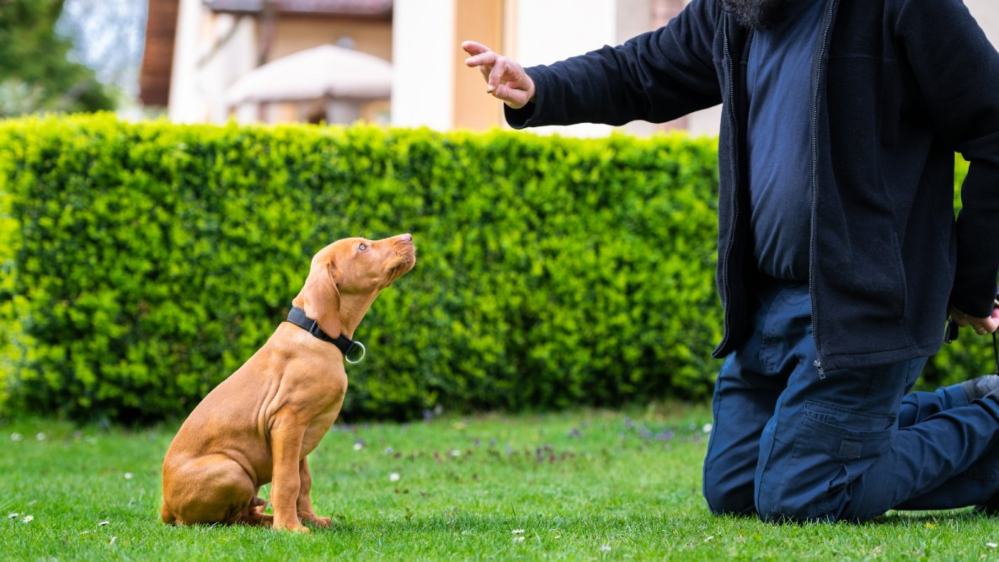
Bringing home a puppy is an exciting experience, but it also comes with the responsibility of teaching good behavior from the beginning. The first few months are an important time for developing communication, confidence, and everyday habits that can influence how a dog behaves as an adult. Puppy foundation obedience programs give young dogs a structured introduction to essential skills while helping owners understand how to guide their development.
With guidance from experienced trainers, including the team at Rob’s Dog Training, puppy owners can establish consistent expectations and address common behavioral challenges before they become harder to manage. Understanding what early obedience training involves can help owners make informed decisions and build a stronger relationship with their dogs.
Why Early Obedience Training Matters
Puppies learn continuously through their interactions with people, animals, and their surroundings. Every experience provides information about what is rewarding, safe, and expected. Without consistent guidance, puppies may develop habits such as jumping on visitors, pulling on the leash, chewing household items, or ignoring basic commands.
Early obedience training introduces clear boundaries and rewards appropriate behavior. Rather than relying on punishment or constant correction, effective training uses positive reinforcement, repetition, and predictable routines to help puppies understand what their owners expect.
Starting early also allows owners to address unwanted behaviors while they are still developing. For example, rewarding a puppy for keeping all four paws on the floor can establish better greeting habits before jumping becomes a regular response.
What Puppy Foundation Obedience Programs Should Include
A good foundation program should cover more than a few basic commands. It should prepare puppies for everyday situations by developing practical skills, attention, and appropriate responses to common distractions.
1. Basic Obedience Commands
Basic commands provide a starting point for communication between puppies and their owners. They also help establish routines that make everyday interactions easier to manage.
Important foundational commands include:
- Sit: Teaches puppies to pause and respond to a simple instruction.
- Down: Encourages calm behavior and helps develop impulse control.
- Stay: Introduces patience and the ability to remain in position until released.
- Come: Builds recall skills, which are important for safety and everyday management.
- Leave it: Teaches puppies to disengage from potentially unsafe or inappropriate objects.
- Drop it: Encourages puppies to release items when instructed.
These skills should be introduced gradually, with rewards and repetition helping puppies understand the desired response. Training sessions should remain short and engaging because young dogs have limited attention spans.
2. Name Recognition and Attention
Before puppies can reliably follow commands, they need to learn how to focus on their handlers. Name recognition is one of the simplest ways to establish this connection.
Owners can begin by saying their puppy’s name in a positive tone and rewarding the dog when it looks toward them. Practicing in quiet environments first makes it easier to build attention before introducing distractions.
As the puppy becomes more responsive, owners can practice in different rooms, outdoor spaces, and other environments. This helps develop the ability to listen even when something more interesting is happening nearby.
3. Leash Manners and Walking Skills
Walking on a leash is an essential everyday skill, but many puppies initially find it difficult to understand. Some pull toward interesting smells, while others become distracted by people, animals, or moving objects.
Foundation training introduces puppies to wearing a collar or harness, walking beside their handlers, and responding to changes in direction. Owners should reward loose-leash walking and avoid allowing pulling to become the most effective way for the puppy to reach something interesting.
Consistent practice helps puppies understand that staying near their handler makes walks more manageable and rewarding.
4. Impulse Control and Calm Behavior
Impulse control teaches puppies to pause before acting on excitement or curiosity. This skill is particularly useful when greeting visitors, waiting for meals, playing with toys, or encountering other dogs.
Simple exercises can include asking a puppy to sit before receiving food or rewarding calm behavior before opening a door. These activities teach patience without requiring complicated commands.
Over time, puppies begin to understand that calm responses can lead to positive outcomes. This foundation can also help reduce behaviors such as excessive jumping, grabbing objects, and rushing through doorways.
Socialization Is an Important Part of Puppy Development
Obedience training and socialization work together, but they serve different purposes. Obedience teaches puppies how to respond to instructions, while socialization helps them become comfortable with different people, animals, environments, sounds, and experiences.
The early socialization period is particularly important. However, introducing new experiences should be gradual and appropriate for the puppy’s age, vaccination status, and individual temperament.
Useful socialization experiences may include:
- Meeting friendly, well-mannered people.
- Observing other dogs from a comfortable distance.
- Becoming familiar with household sounds and everyday noises.
- Walking on different safe surfaces.
- Experiencing car rides and routine handling.
- Visiting appropriate public environments.
The goal is not to expose puppies to as many experiences as possible in a short period. Instead, each interaction should be positive and manageable. Allowing a puppy to observe unfamiliar situations without forcing contact can help build confidence.
How to Reinforce Training at Home
Professional instruction can provide structure, but everyday practice is what helps puppies retain their skills. Owners should reinforce the same expectations at home so their dogs receive consistent guidance.
A practical approach includes the following:
1. Keep training sessions short. Practice for a few minutes at a time, several times throughout the day. Short sessions help maintain interest without overwhelming young dogs.
2. Reward the behavior you want. Use small treats, praise, toys, or play to reinforce appropriate responses. Rewards should be meaningful to the individual puppy.
3. Practice in different environments. Once a puppy understands a command at home, gradually introduce new locations and distractions.
4. Use consistent commands. Family members should agree on the words and signals used for important instructions. Changing commands frequently can make learning more confusing.
5. Manage the environment. Keep tempting objects out of reach, use appropriate barriers when necessary, and provide suitable chew toys. Preventing unwanted behavior is often easier than repeatedly correcting it.
Consistency does not mean expecting perfection. Puppies will make mistakes, become distracted, and occasionally forget previously learned skills. Patient repetition helps them develop more reliable responses.
Choosing the Right Puppy Obedience Training Program
Not every puppy has the same learning style, confidence level, or behavioral needs. When comparing training options, owners should look for programs that provide age-appropriate instruction and recognize differences in temperament.
Several factors are worth considering:
- Training methods: Look for trainers who use clear communication, positive reinforcement, and humane handling techniques.
- Individual attention: Puppies may need different levels of support depending on their confidence and previous experiences.
- Practical exercises: Training should address everyday situations rather than focus exclusively on performing commands.
- Owner education: A good program teaches owners how to reinforce skills between sessions.
- Progressive learning: Exercises should become more challenging as puppies demonstrate understanding and consistency.
It is also helpful to ask how trainers handle fear, distraction, and unwanted behavior. A suitable program should prioritize the puppy’s well-being while providing realistic expectations for progress.
Common Mistakes That Can Slow Puppy Training
Even owners with the best intentions can unintentionally make training more difficult. Recognizing common mistakes can help prevent confusion and support better learning outcomes.
One frequent problem is expecting too much too soon. Puppies are still developing physically and mentally, so demanding long periods of attention or perfect obedience can create frustration.
Another mistake is rewarding inconsistent behavior. For example, allowing a puppy to jump on family members but correcting the same behavior when guests arrive sends mixed signals.
Owners should also avoid repeating commands without following through. Saying “come” several times while allowing the puppy to ignore the instruction can weaken its meaning over time.
Finally, skipping rest and play can make learning less effective. Puppies need adequate sleep, physical activity, mental stimulation, and opportunities to explore safely. Training should be part of a balanced daily routine rather than the only focus.
Build a Strong Foundation for Your Puppy’s Future
Early training is about more than teaching a puppy to sit, stay, or come when called. It establishes communication, encourages appropriate behavior, and helps young dogs become more comfortable navigating everyday situations.
With Rob’s Dog Training, owners can learn how puppy foundation obedience programs help develop basic commands, leash skills, socialization, and impulse control. With patience and regular practice, these lessons can support better behavior as puppies mature.
The most effective approach considers each dog’s individual needs while giving owners practical techniques they can continue using at home. By prioritizing positive experiences, clear expectations, and steady reinforcement, owners can give their puppies a valuable starting point for a lifetime of learning.