
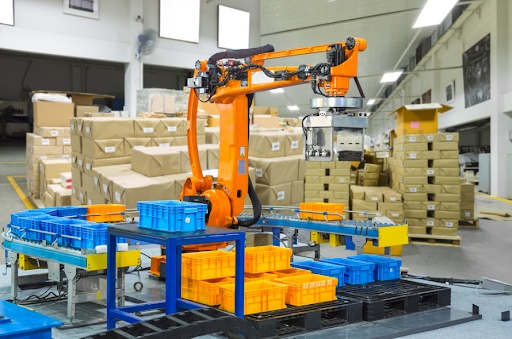
Manufacturing facilities sometimes require efficient material movement addressing substantial load handling demands. Worker strain sometimes emerges through repetitive lifting operations throughout shifts. Contemporary robotic specialists now provide solutions through automated manipulators. Operational efficiency sometimes depends on understanding automation capabilities and system integration. Finding appropriate local solutions requires understanding what modern specialists deliver. Industrial manipulators professionals provide exactly this through advanced systems addressing material handling complexity.
Eliminating Repetitive Physical Strain
Workers sometimes suffer musculoskeletal injuries through constant lifting demands. Occupational fatigue sometimes compromises both safety and productivity substantially. Using mechanical assistance for lifting and repositioning heavy loads can help reduce these physical demands. Professional systems remove manual lifting entirely from operations. Robotic arms handle heavy objects systematically without tiredness. Worker health improves through reduced physical demands. Long-term injury prevention emerges naturally through automation. Worker safety matters substantially for wellbeing. Occupational health matters through injury prevention. Workforce preservation matters profoundly for retention.
Handling Hazardous Materials Safely
Toxic substances sometimes create workplace health risks threatening employees. Chemical exposure sometimes occurs during standard material handling processes. Professional systems manipulate dangerous materials without human contact. Sealed containment prevents operator exposure completely. Automated handling isolates hazardous materials systematically. Health protection occurs through technological substitution. Worker protection matters substantially for safety. Health preservation matters through hazard elimination. Employee security matters profoundly for operations.
Maintaining Consistent Handling Speed
Production rates sometimes fluctuate through human operator variations. Fatigue sometimes causes handling speed reduction throughout shifts. Professional manipulators operate at consistent velocities continuously. Speed standardisation prevents production bottlenecks effectively. Throughput increases follow naturally from consistency. Production predictability improves substantially. Speed consistency matters substantially for scheduling. Output reliability matters through mechanical precision. Production planning matters profoundly for efficiency.
Integrating Multiple Task Capabilities
Manufacturing operations sometimes require diverse handling functions. Equipment specialisation sometimes limits operational flexibility unnecessarily. Professional manipulators accommodate various tasks through programmable functionality. Gripper attachment changes suit different components. Positioning precision handles delicate or robust items. Versatility emerges through modular design approaches. Operational flexibility matters substantially for efficiency. Task variety matters through adaptive systems. Manufacturing agility matters profoundly for competitiveness.
Reducing Product Damage During Handling
Fragile items sometimes suffer breakage through rough manual handling. Customer complaints sometimes emerge from damage during transit. Professional systems apply consistent pressure, protecting materials. Sensitive components remain unharmed throughout movement. Quality preservation improves customer satisfaction substantially. Waste reduction follows from damage prevention. Product integrity matters substantially for reputation. Quality maintenance matters through gentle handling. Customer satisfaction matters profoundly for loyalty.
Simplifying Operator Training Requirements
Equipment operation sometimes demands extensive training programmes. Skilled operator scarcity sometimes limits operational capacity. Professional systems automate most complex functions, reducing training demands. Basic programming knowledge substitutes for specialised skills. Workforce flexibility improves through simplified operation. Staff turnover becomes less problematic operationally. Training simplicity matters substantially for accessibility. Staffing flexibility matters through reduced specialisation. Workforce scalability matters profoundly for growth.
Supporting Continuous Production Scheduling
Manufacturing schedules sometimes face interruptions through equipment breakdowns. Maintenance delays occasionally disrupt planned production runs substantially. Professional manipulators operate reliably without unexpected failures. Routine maintenance happens during scheduled downtime systematically. Preventative servicing prevents emergency repairs completely. Production continuity improves through dependable equipment. Operational reliability matters substantially for scheduling. Maintenance predictability matters through proactive planning. Production certainty matters profoundly for customer commitments.
Extending Equipment Lifespan Through Durability
Manufacturing machinery sometimes deteriorates rapidly through heavy usage. Accelerated wear sometimes necessitates premature replacement cycles. Professional manipulators withstand continuous operation throughout years. Robust construction prevents component failures over extended periods. Material quality ensures longevity despite demanding conditions. Durability improvements reduce replacement frequency considerably. Equipment longevity matters substantially for cost efficiency. Investment protection matters through quality construction. Lifecycle value matters profoundly for financial planning.
Improving Workplace Organisation Throughout
Material clutter sometimes accumulates through haphazard handling practices. Storage efficiency sometimes suffers through inefficient placement. Professional systems arrange materials systematically throughout facilities. Organised stacking effectively prevents workplace hazards. Space utilisation improves substantially through systematic arrangement. Safety improvements emerge naturally from organisation. Workplace safety matters substantially for operations. Facility organisation matters through systematic handling. Environmental safety matters profoundly for standards.
Conclusion
Industrial manipulators transform manufacturing through automated material handling systems, boosting productivity substantially. Physical strain elimination protects worker wellbeing comprehensively. Hazardous material handling occurs safely without human exposure. Handling speed consistency maintains reliable production schedules. Multiple task capabilities provide operational flexibility. Product damage reduction preserves quality throughout operations. Training requirements decrease through simplified operation. Workplace organisation improves operational safety. Those implementing quality systems discover operational transformation throughout their facilities.


One thought on “Streamline Heavy Lifting Operations: How Industrial Manipulators Transform Workflows Through Automated Material Handling Solutions”