Structures like buildings, bridges, tunnels and many others, they start losing strength and appearance within just few years if proper protection is not given against cracking, water damage, corrosion and early deterioration, and this is exactly where concrete durability solutions come into picture. Instead of failing early, structures can last for many decades when right materials, methods and treatments are used at proper time. For anyone who is working in construction, infrastructure maintenance or building design, it becomes important to understand how concrete breaks down and what actually can prevent this kind of damage.
What Causes Concrete to Deteriorate Over Time?
Even though concrete looks very solid from outside, in reality it is porous material. As time passes, water, chemicals and gases can seep into these small pores and this causes damage from inside. Some of the most common reasons behind concrete deterioration are given below:
- Moisture penetration which leads to internal cracking
- Corrosion happening in steel reinforcement bars
- Chemical attack caused by chlorides, sulfates and acids
- Freeze thaw cycles, mostly in colder regions
- Curing done poorly during construction process
All these factors, they weaken the concrete slowly from inside, and many times visible damage on surface appears only after a long time.
How Do Cracks and Water Ingress Affect Concrete Structures?
Cracks are usually one of the first signs that shows structural stress is happening. Even very small, hairline cracks can allow water to go inside concrete, and once water reaches the steel reinforcement, problem starts. When steel corrodes, it expands in size, and this puts extra pressure on the concrete around it, which then leads to more cracking. In this way a cycle of damage gets created, and the longer it stays untreated, more expensive it becomes to repair.
Water ingress problem is seen mostly in structures like basements, water tanks, tunnels and foundations, because these stay always in contact with moisture or groundwater. Fixing this issue at early stage is usually much more cost effective compared to dealing with big structural repairs later on.
Common Types of Concrete Durability Solutions
For improving lifespan and performance of concrete structures, several approaches are being used:
Waterproofing systems work by creating a barrier so that water cannot penetrate into the concrete surface. Such systems, they can be applied on outside, or sometimes mixed directly into the concrete itself.
Crystalline waterproofing technology is a method where the material reacts with moisture present inside concrete, and this forms crystals that fill up the small pores and micro cracks. Because of this, concrete gets ability to seal itself over time.
Corrosion inhibitors are added into concrete mainly for slowing down or stopping the rusting process of steel reinforcement, so the structure can last longer.
Joint sealants and expansion joints give concrete some room to move slightly when temperature changes, without getting cracked.
Protective coatings are used for shielding concrete surface from chemical exposure, abrasion and general weathering.
Every solution here, it deals with a different kind of weakness, and in most projects, more than one method is combined together for achieving protection that lasts long.
Why Does Climate Impact Concrete Lifespan?
Climate has a big role in deciding how fast concrete will deteriorate. In places where freeze thaw cycles happen often, water that gets trapped inside concrete pores expands when it freezes, and this creates pressure from inside that leads to cracking. In climates that are hot and humid, concrete faces more moisture and chemical exposure, and this speeds up the corrosion process of steel that is embedded inside.
Coastal regions bring another kind of challenge, because saltwater and chlorides present in air make the reinforcement corrode faster. This is the reason why structures built near ocean or in industrial areas usually need extra protective treatment, compared to structures that are built in drier, inland locations.
Does Concrete Quality During Construction Matter for Durability?
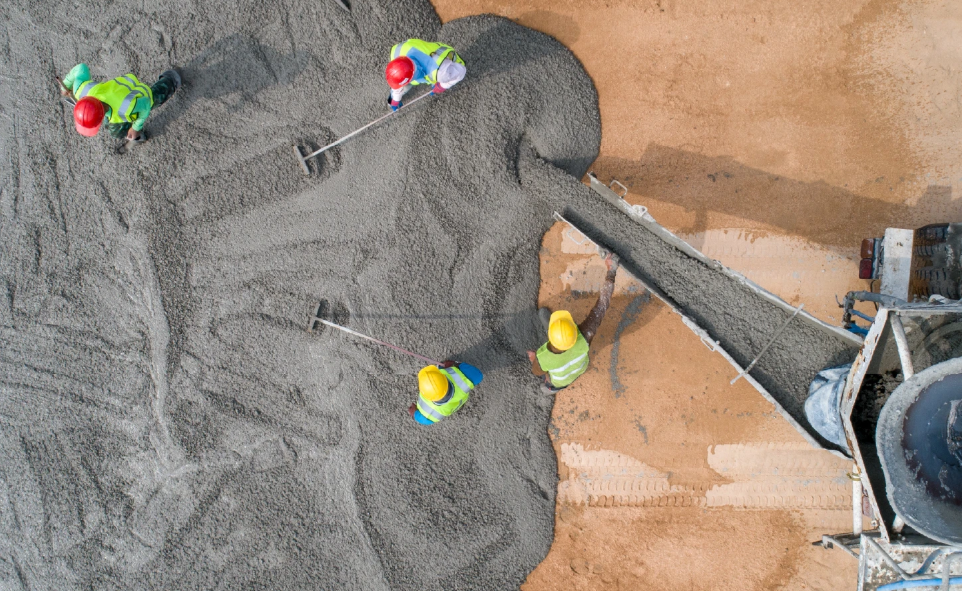
Yes, quality of construction has direct effect on how long concrete will last. If mixing ratios are wrong, curing time is not enough, or materials used are of low quality, then weak spots can form in concrete even before it faces any environmental stress. When compaction is done properly, water to cement ratio is correct, and curing time is sufficient, concrete becomes more dense and less porous, which naturally makes it more resistant to water and chemical intrusion.
How Often Should Concrete Structures Be Inspected for Durability Issues?
Doing regular inspection helps in catching early signs of deterioration, before these turn into big structural problems. Structures that face heavy moisture, chemicals or traffic load should be checked more often, maybe once or twice every year, while structures with less exposure may need checking only after few years. When cracks, spalling or discoloration gets detected early, it allows for timely action, which costs much less compared to large scale structural repair work.
Conclusion
If right concrete durability solutions are applied early in life of a structure, it can reduce long term maintenance cost by a lot and also prevent structural failure from happening. Starting from waterproofing systems to corrosion inhibitors and proper construction practices, all these methods work together for protecting concrete from environmental and chemical stress that it faces with time. Structures which are built keeping durability in mind, they can handle harsh climate, heavy usage and natural aging process much better, and this way they stay safe and functional for many years ahead.